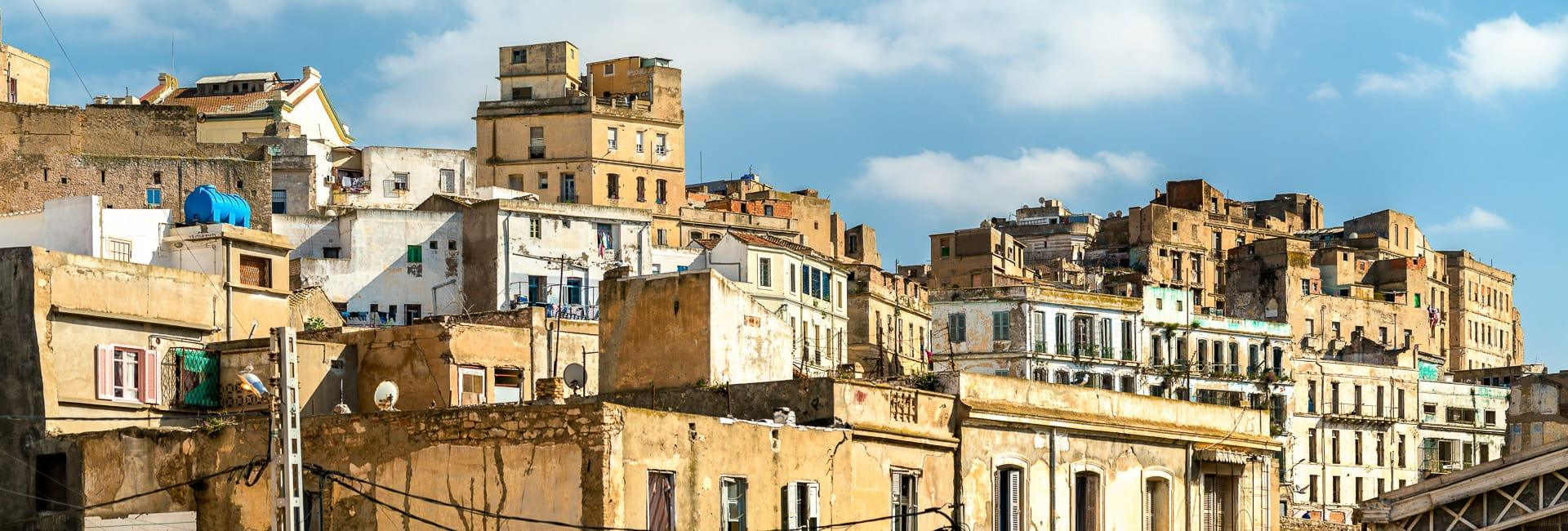
Oran & North West Algeria
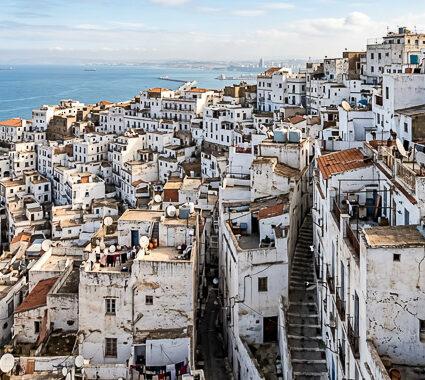
Situated on the Mediterranean coast, Oran is Algeria’s second city, its character shaped by centuries of maritime trade and Spanish, Ottoman and French influence.
Famous as the birthplace of Raï music and the setting for Albert Camus’s The Plague, the city combines coastlines, historic architecture, and a lively urban culture. Above the harbour, Mt. Murdjadjo is crowned by Fort Santa Cruz, an impressive 16th-century Spanish stronghold offering expansive views across the Mediterranean and the city below. Nearby, Notre-Dame de Santa Cruz stands with its statue of an open-armed Virgin Mary gazing out over the city and the sea.
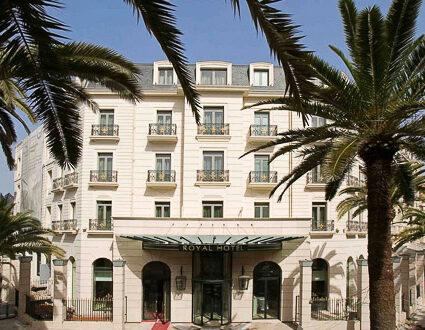
In the French Quarter, known as La Ville Nouvelle, broad palm-lined avenues and 19th-century colonial buildings surround Place du 1er Novembre, where the Opera House and City Hall (Hôtel de Ville) are among the principal landmarks. A visit to the former residence of Yves Saint Laurent offers a glimpse into the designer’s Algerian roots. Winding downhill towards the sea lies La Blanca, the historic Spanish and Ottoman quarter, where narrow streets lead to the Bey’s Palace and the 18th-century Hassan Pasha Mosque. Along the waterfront, the revitalised promenade is a popular place for evening walks, coffee and fresh seafood.
Travelling inland, Sidi Bel Abbès was the historic headquarters of the French Foreign Legion, and a short visit offers a different perspective on Algeria’s colonial history. Beyond this, Tlemcen is an important centre of culture and Islamic heritage in north-west Algeria. Sometimes known as the Jewel of the Maghreb, the city is closely associated with its Arab-Andalusian traditions. At its historic centre stands El Mechouar Palace, the royal citadel of the Zianid kingdom, alongside the 12th-century Great Mosque of Tlemcen, an important surviving example of Almoravid architecture.
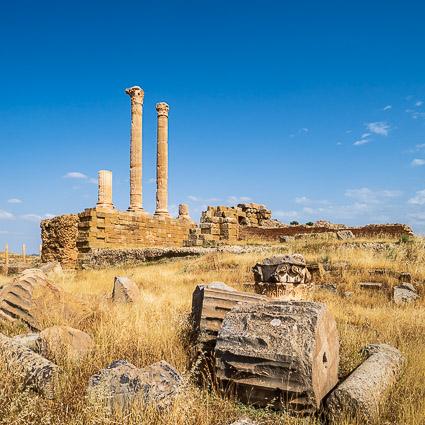
Just outside the city, the ruins of El Mansourah are dominated by the tall minaret of the 14th-century Marinid citadel. Nearby, the complex of Sidi Boumediene, dedicated to the influential Sufi saint, contains finely decorated tilework and carved plaster. In the hills beyond Tlemcen, the waterfalls of El Ourit and the limestone chambers of the Beni Add Caves offer an opportunity to explore the surrounding landscape. In the wider region, the enigmatic Djeddars – ancient pre-Islamic funerary monuments built atop low hills – offer a fascinating glimpse into Algeria’s lesser-known archaeological heritage.
Combining Oran’s Mediterranean setting and layered architectural heritage with Tlemcen’s Arab-Andalusian traditions and medieval monuments, north-west Algeria offers a different perspective on the country’s history and culture.
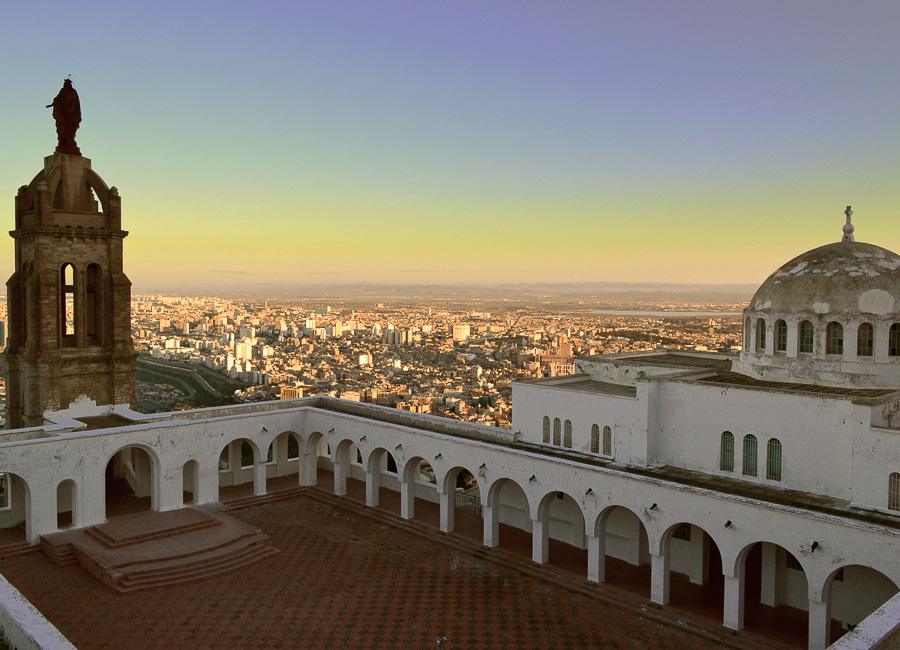
Fort of Santa Cruz, Oran Algeria
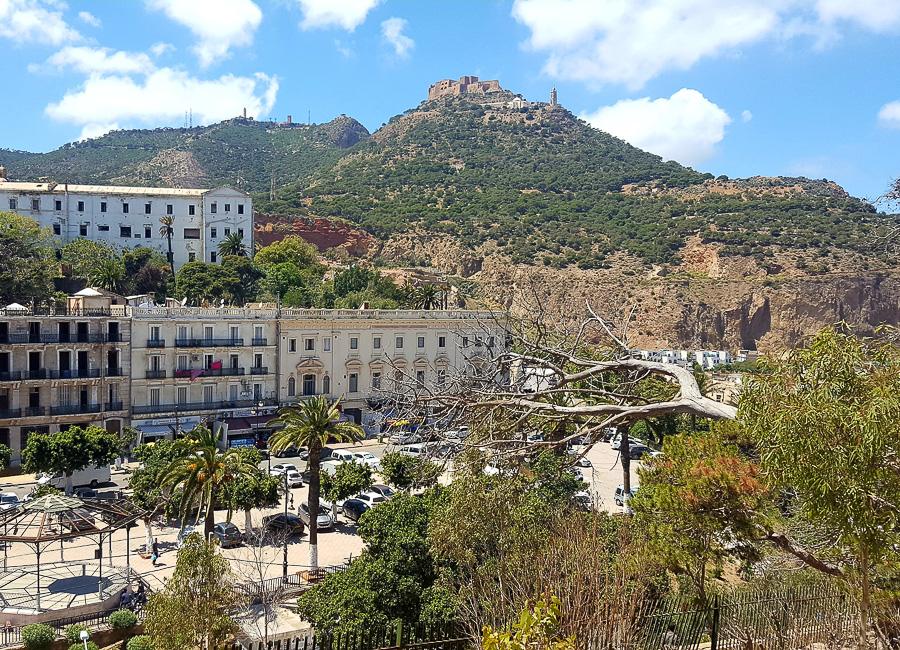
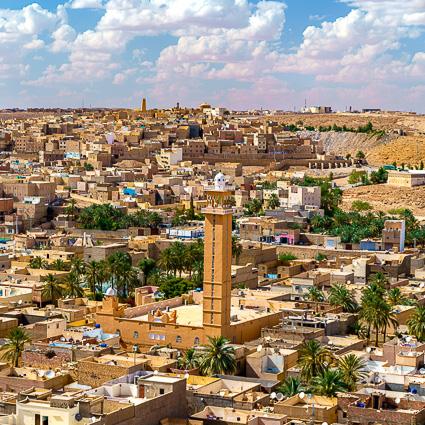
Oran, Algeria
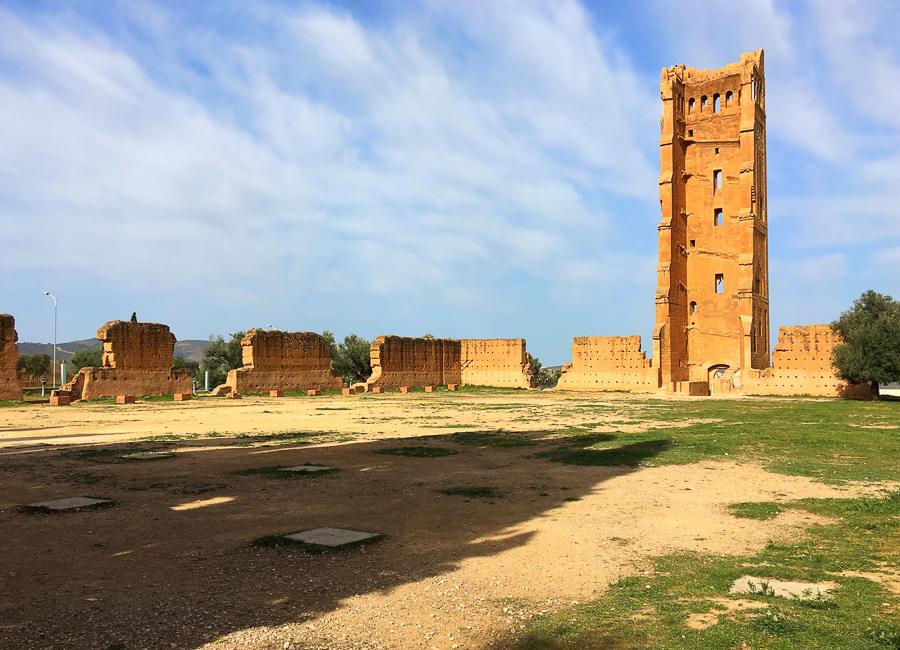
El Mansourah, Tlemcen Algeria
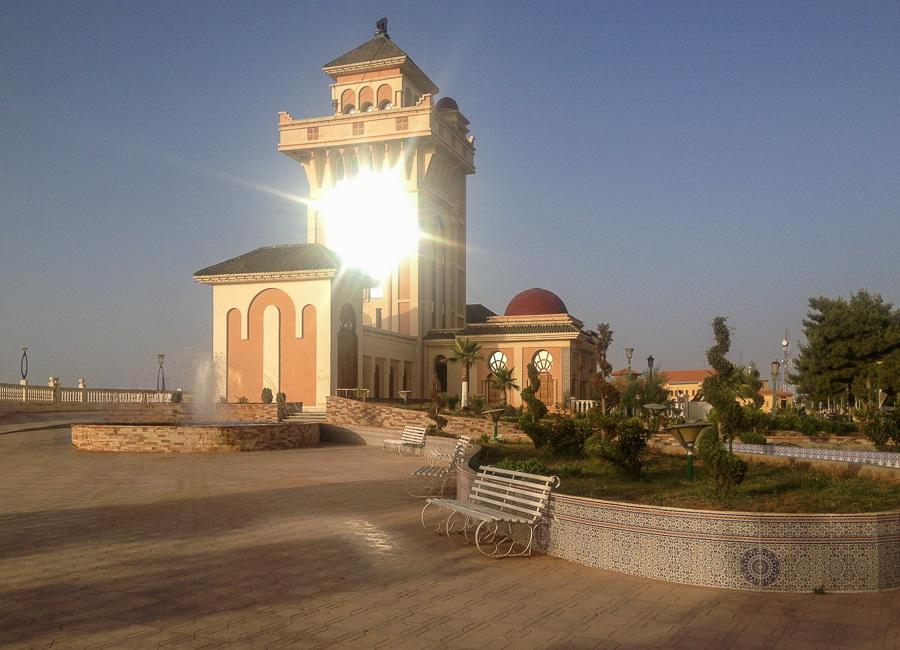
Lalla Setti plateau, Tlemcen Algeria
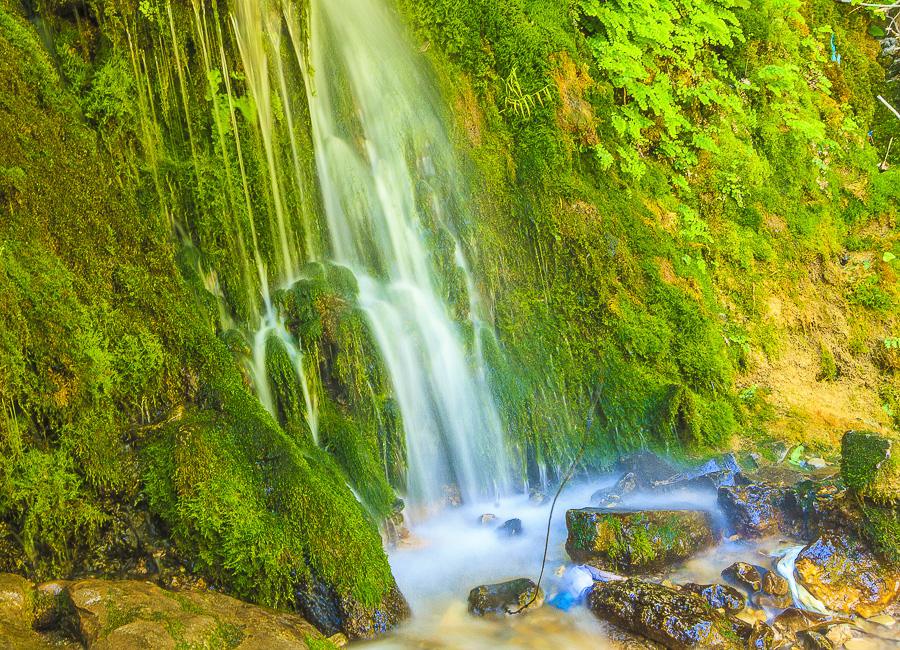
El Ourit Waterfalls, Tlemcen Algeria
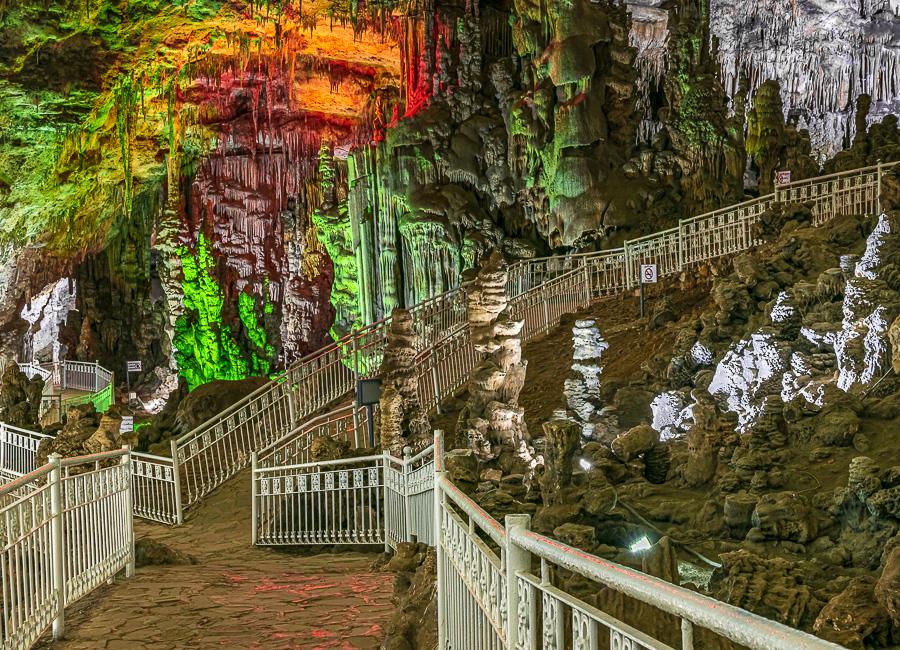
Beni Add Caves, Tlemcen Algeria
Highlights
- Panoramic views from Fort Santa Cruz on Mt. Murdjadjo
- The grand plazas and seaside promenade in central Oran
- 14th-century Marinid citadel ruins and minaret at El Mansourah in Tlemcen
- The Almoravid tilework and architecture at the Great Mosque of Tlemcen
- The underground caves of Beni Add
- Residence Yves Saint Laurent
Curated Algeria Tours
Each Corinthian Travel holiday is a bespoke travel experience designed to meet your specific preferences and requirements. Our destination experts can guide you on where to visit in Algiers, but as a starting point, we have created a selection of suggested itineraries to inspire your travels. Here are some of our most popular Algeria holidays.