
Unmissable Luxury Experiences in Tunisia
April 22 2026
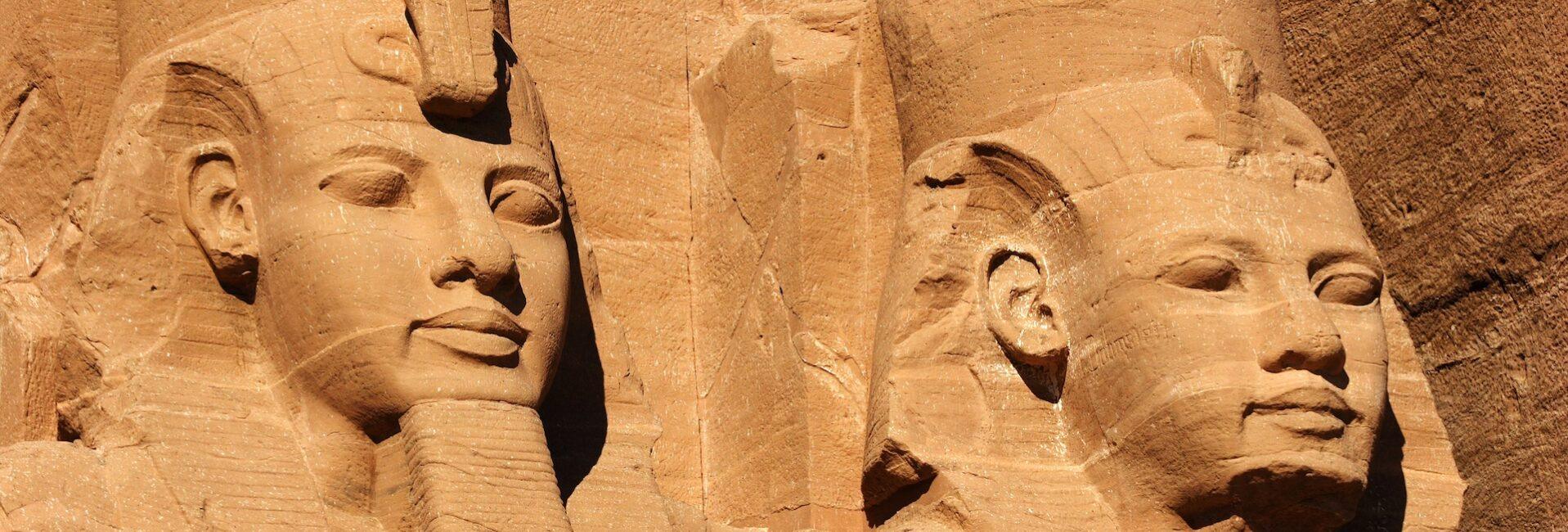
Egypt’s ancient temples are among the most extraordinary legacies of the ancient world. Monumental in scale and steeped in mythology, they offer a tangible link to the beliefs, ambitions, and artistic skills of the Pharaohs and their people.
Leave the bustle of Cairo behind and follow the course of the Nile southwards and beyond to Lake Nasser on a journey that unveils the architectural and spiritual treasures of this fascinating land.
Below is a list of five firm favourites that we recommend you visit during your holiday to the Land of the Pharaohs. These iconic temples can be seamlessly woven into a tailor-made holiday to Egypt on a trip that works well when combined with some of Egypt’s lesser-visited sights.
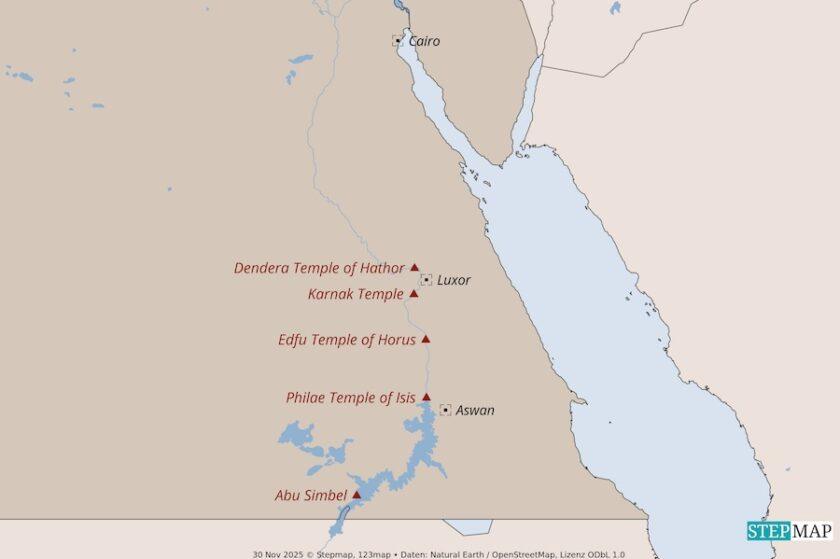
Luxor has the highest concentration of ancient monuments in Egypt, and the vast temple complex at Karnak is its crowning glory. Located on the east bank of the Nile, Karnak was developed over a period of more than 2,000 years and remains one of the largest religious complexes in the world. At its heart is the Temple of Amun-Re, surrounded by towering columns and obelisks weighing over 300 tonnes. Covering an area of two square kilometres, the scale is staggering—and deliberate. Every element was designed to express the might of the gods and the Pharaohs who built in their honour. Wander through its towering columns, and it’s easy to understand why Karnak leaves such a powerful impression.
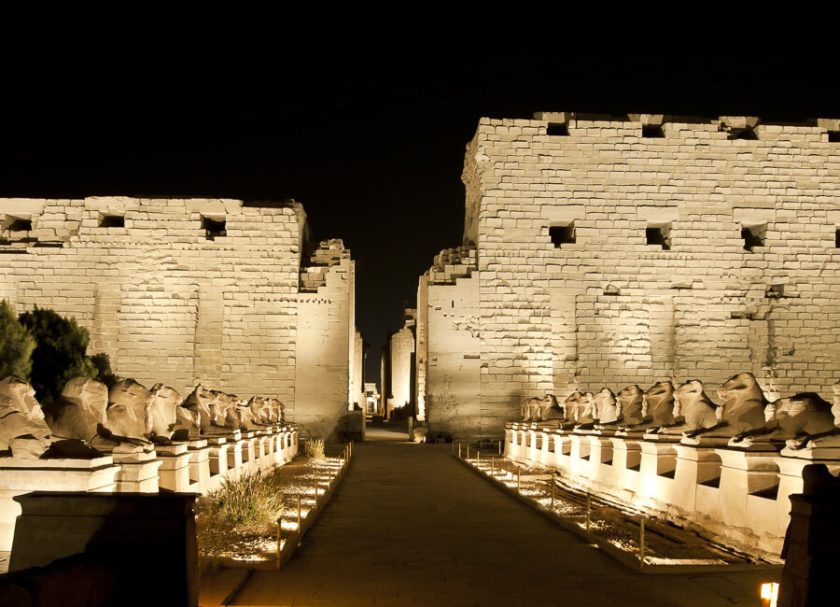
Karnak Temple, Luxor Egypt
North of Luxor on a bend in the River Nile, the Temple of Hathor at Dendera is one of the best-preserved temples in Egypt. Built during the Greco-Roman period but firmly rooted in Pharaonic tradition, the temple was dedicated to Hathor, goddess of love, music, healing, and protector of the dead. Dendera is a vast site, complete with an impressive stone roof, huge columns, twisting stairways, and several underground crypts. Many areas of the complex are carved with incredibly detailed hieroglyphs, including the painted astronomical ceiling in the Hypostyle Hall. Rarely do visitors leave Dendera disappointed.
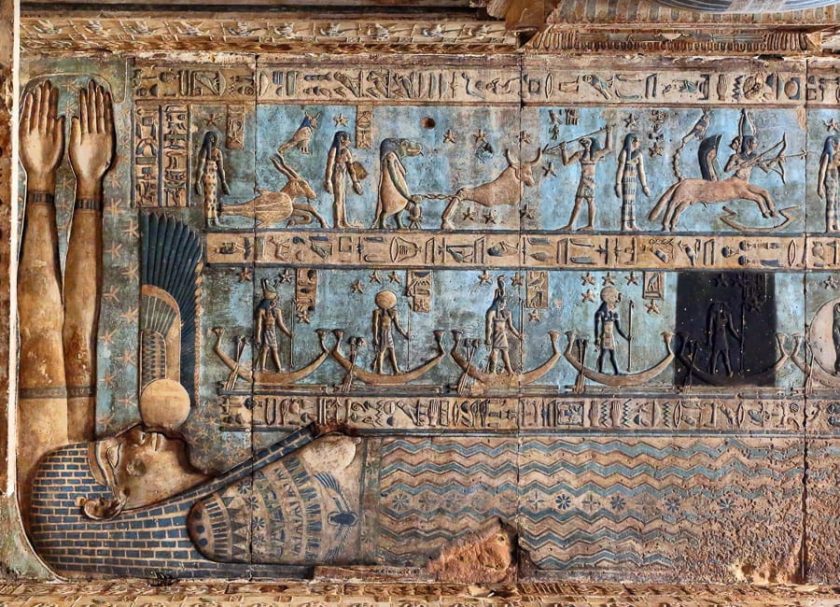
Temple of Hathor, Dendera Egypt
Built by Ramses II between 1274 and 1244 BC, the two imposing temples at Abu Simbel are both a triumph of ancient architecture and a marvel of modern engineering. Carved directly into the sandstone cliffs overlooking what is now Lake Nasser, the larger temple honours Ramses II himself, while the smaller is dedicated to his queen, Nefertari. In the 1960s, to prevent them from being submerged by the rising waters caused by the Aswan High Dam, both temples were dismantled and reconstructed on higher ground in an extraordinary UNESCO-sponsored archaeological rescue mission. Today, Abu Simbel remains one of Egypt’s most recognisable and impressive monuments, best reached by a short flight from Aswan or as a memorable stop on a Lake Nasser cruise. Whatever mode of transport you decide, Abu Simbel is one of the country’s not-to-be-missed attractions.
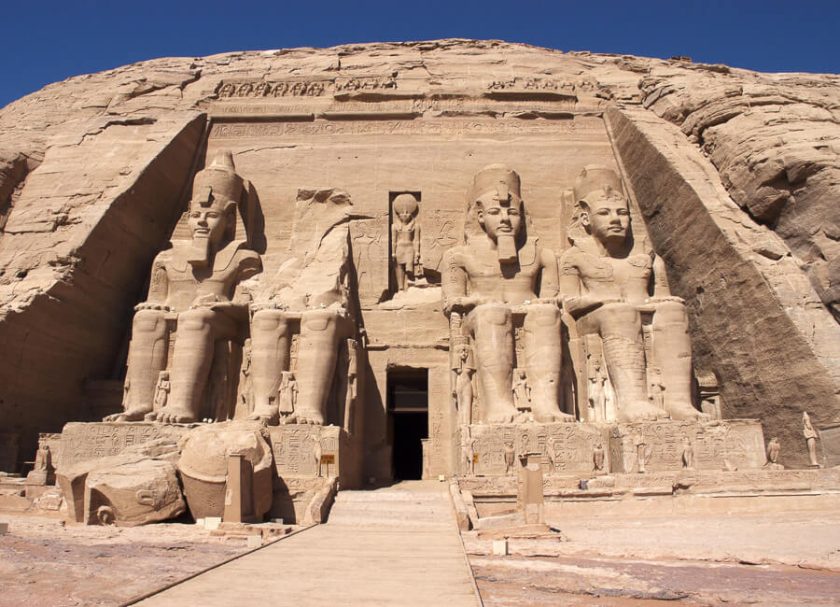
Rameses II temple, Abu Simbel, Egypt
Gracefully poised on Agilkia Island, the Temple of Isis is one of Egypt’s most beautiful and atmospheric monuments. Originally built on the sacred island of Philae—an important centre of pilgrimage for centuries—the temple was dedicated to the goddess Isis. It remained a sanctuary for worshippers well into the Roman era, even after the advent of Christianity. When the construction of the Aswan High Dam threatened to submerge the original site, the entire complex was carefully dismantled and relocated to nearby Agilkia in the 1970s as part of a major UNESCO rescue effort. The new island was landscaped to resemble the island of Philae. Though the temple now stands on Agilkia, it is still commonly referred to by its original location. Accessible only by boat, the temple’s elegant colonnades and soaring pylons rising from the water make it one of Upper Egypt’s most romantic and evocative sights.
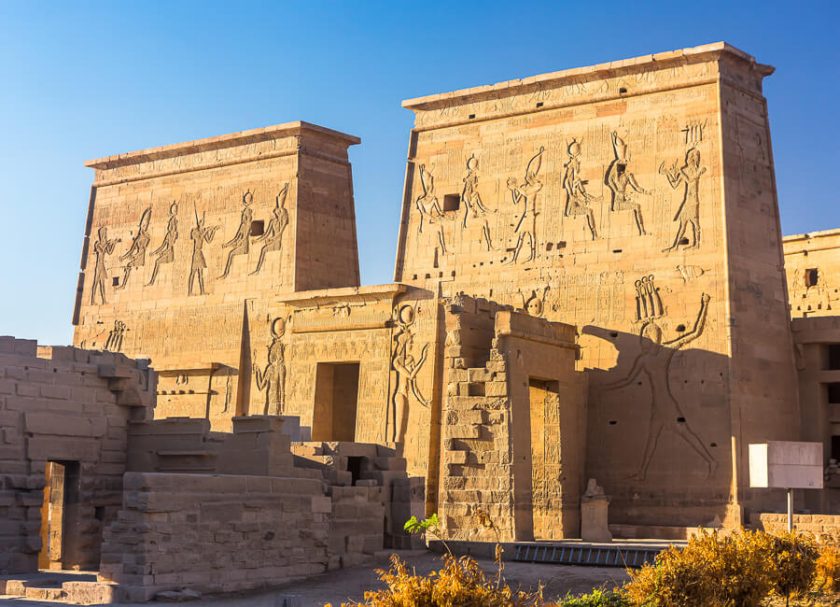
Philae Temple, Aswan, Egypt
Situated between Luxor and Aswan on the west bank of the Nile, the Temple of Horus at Edfu is a superb example of ancient Egyptian architecture. Constructed during the Ptolemaic period between 237 and 57 BC, the temple was built in honour of Horus, the falcon-headed god associated with kingship and the sky. Its sheer scale, elevated position, and remarkable state of preservation make it one of the most atmospheric sanctuaries in Upper Egypt. The towering entrance pylon (gateway) leads into a series of intricately carved halls and courtyards, including the richly decorated Court of Offerings. Wandering around Edfu’s well-preserved site, it is easy to be struck with a sense of awe at the mysteries of the ancient Pharaohs.
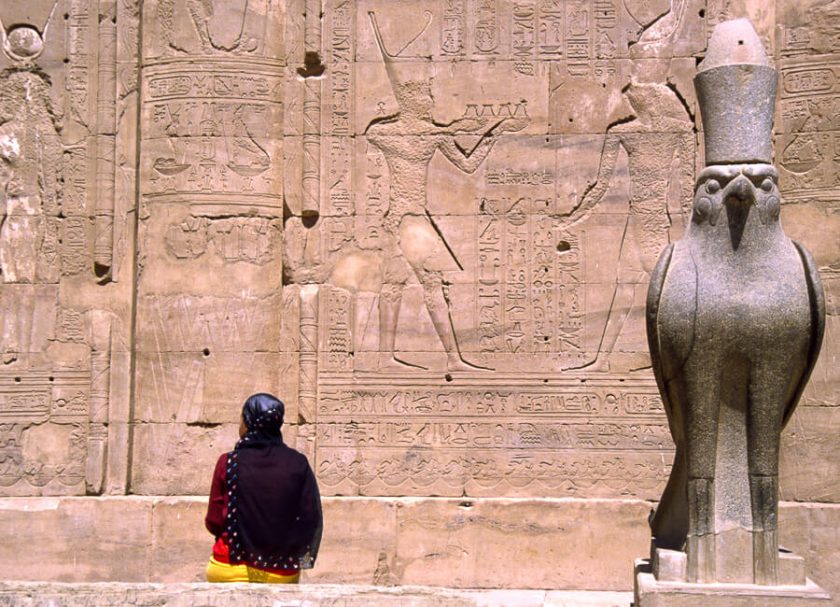
Temple of Horus, Edfu Egypt
Egypt’s temples can be visited year-round, but the most comfortable months are from October to April, when daytime temperatures are cooler and more suited to unhurried exploration. Early mornings are ideal for visiting major sites like Karnak or Abu Simbel—not only to beat the heat, but also to experience the temples in a quieter, more atmospheric setting. Avoiding peak midday hours also makes photography more rewarding, with softer light and fewer crowds.
While the temples at Karnak, Abu Simbel and Philae command the spotlight, Egypt is home to many lesser-known temples that offer a more off-the-beaten-track experience. Among these, the Temple of Seti I at Abydos stands out for the exceptional quality of its reliefs and its association with Osiris, god of the afterlife. Nearby, the Great Temple of Aten at Tell El Amarna and the Kharga Oasis’s Hibis Temple—located deep in Egypt’s Western Desert—offer further glimpses into the richness of Egypt’s spiritual legacy, far from the well-worn tourist trail.
For travellers with an appetite for discovery, these lesser-visited temples offer a rewarding off-the-beaten-track holiday.
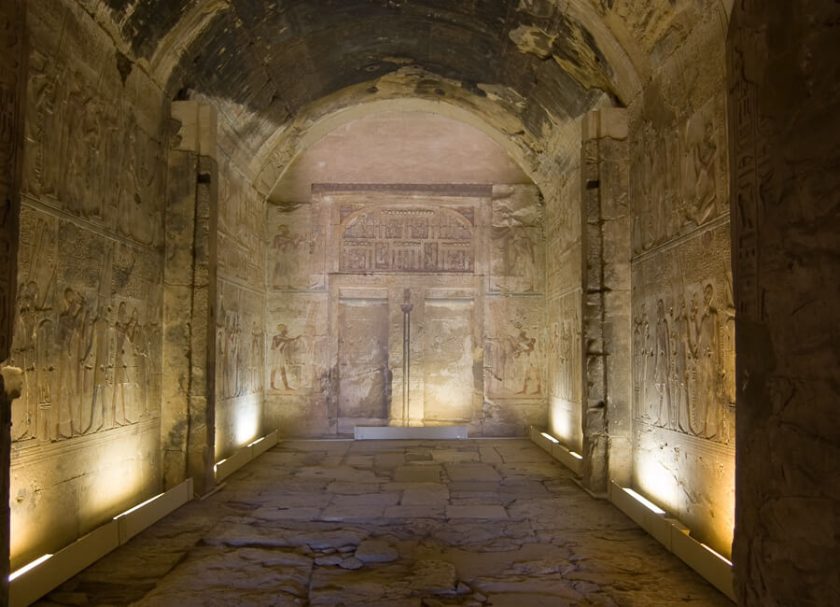
Abydos Temple (Temple of Seti I), Egypt
Egypt’s temples are among the country’s most compelling sights. From the grandeur of Karnak to the remote splendour of Abu Simbel, each one offers a powerful insight into the beliefs and ambitions of the ancient world. Visiting them with an expert guide adds depth and context, transforming a good experience into a truly memorable one.
To explore Egypt’s iconic temples as part of a personalised tour, Corinthian Travel’s tailor-made holidays are designed to offer both flexibility and expert insight, whether you’re travelling for the first time or returning to delve deeper.
"*" indicates required fields